Lime Mortar vs Cement Mortar: Which Does Your Property Need?
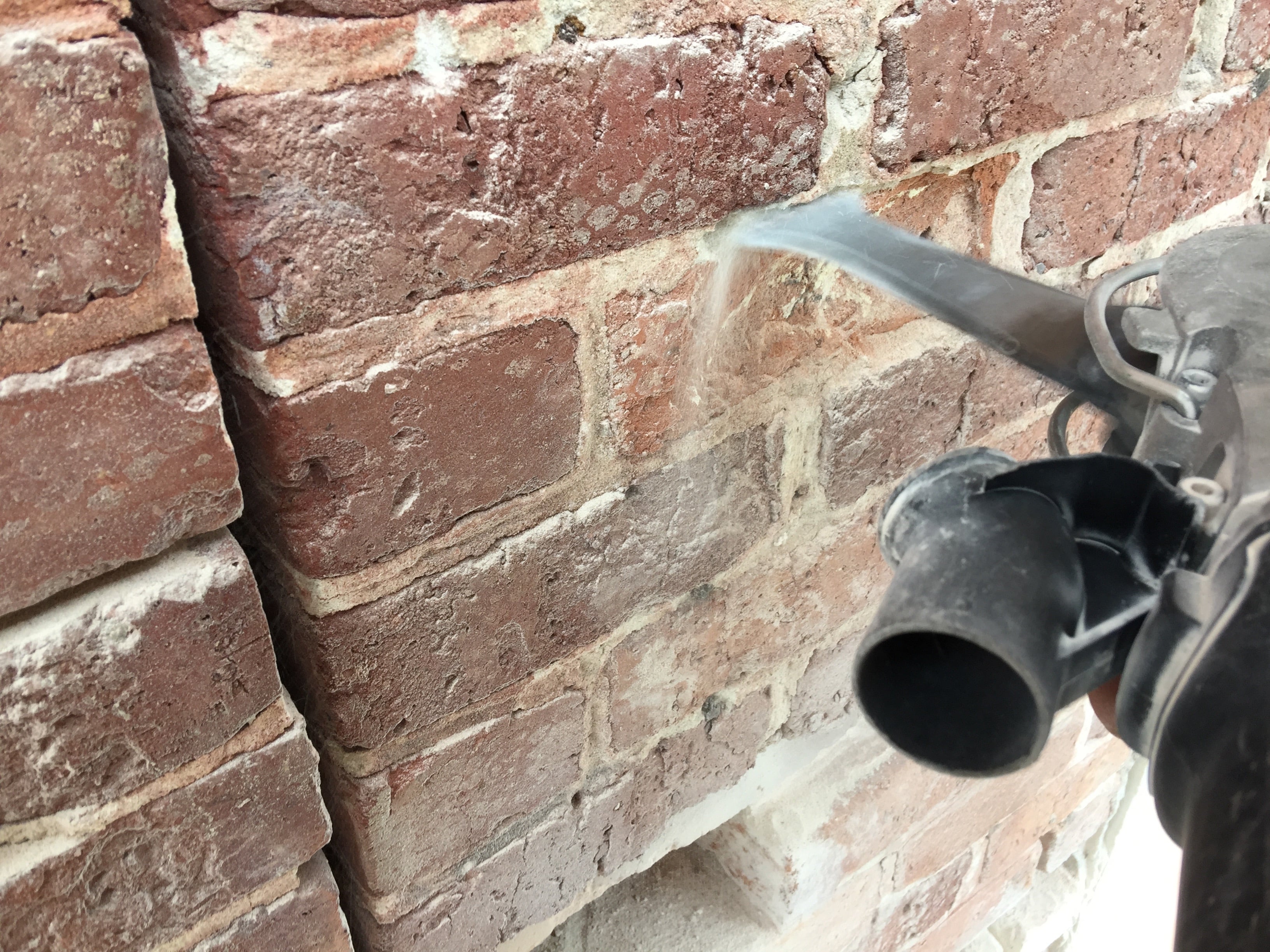
There is no single right mortar for every wall. The best choice depends on the building, its age and how it was constructed. The aim is always the right mortar for the building.
What lime mortar does well
Lime mortar is softer, more flexible and more breathable than cement. It lets moisture move through the joints and evaporate, and it copes with the small movements older buildings make. This suits older, softer bricks and stone, which were usually built with lime in the first place.
Where cement mortar fits
Modern buildings are generally built to work with a suitable modern mortar, often cement-containing or a proprietary mix, and there is nothing wrong with that in the right context. The problem is using a hard cement mortar on an older building that was never designed for it.
Why mortar strength matters
The mortar needs to be compatible with the masonry and should not be unnecessarily hard or strong for the units around it. On traditional buildings with softer brick or stone, the mortar is generally intended to weather in preference to the masonry, so that it wears rather than the brick faces. If the mortar is much harder than the brick, moisture and stress can be forced into the brick faces instead, which can cause damage over time.
The short answer
Older building with soft brick or stone, usually lime. Modern building, usually an appropriate compatible modern mortar. If you are not sure which yours is, we can assess it rather than guess.